
Why a dog,
a century gone,
still teaches us how to hold.
What follows is the dossier, set in six chapters, drawn from period newspapers, family letters, and station logbooks of the old Tōyoko line.
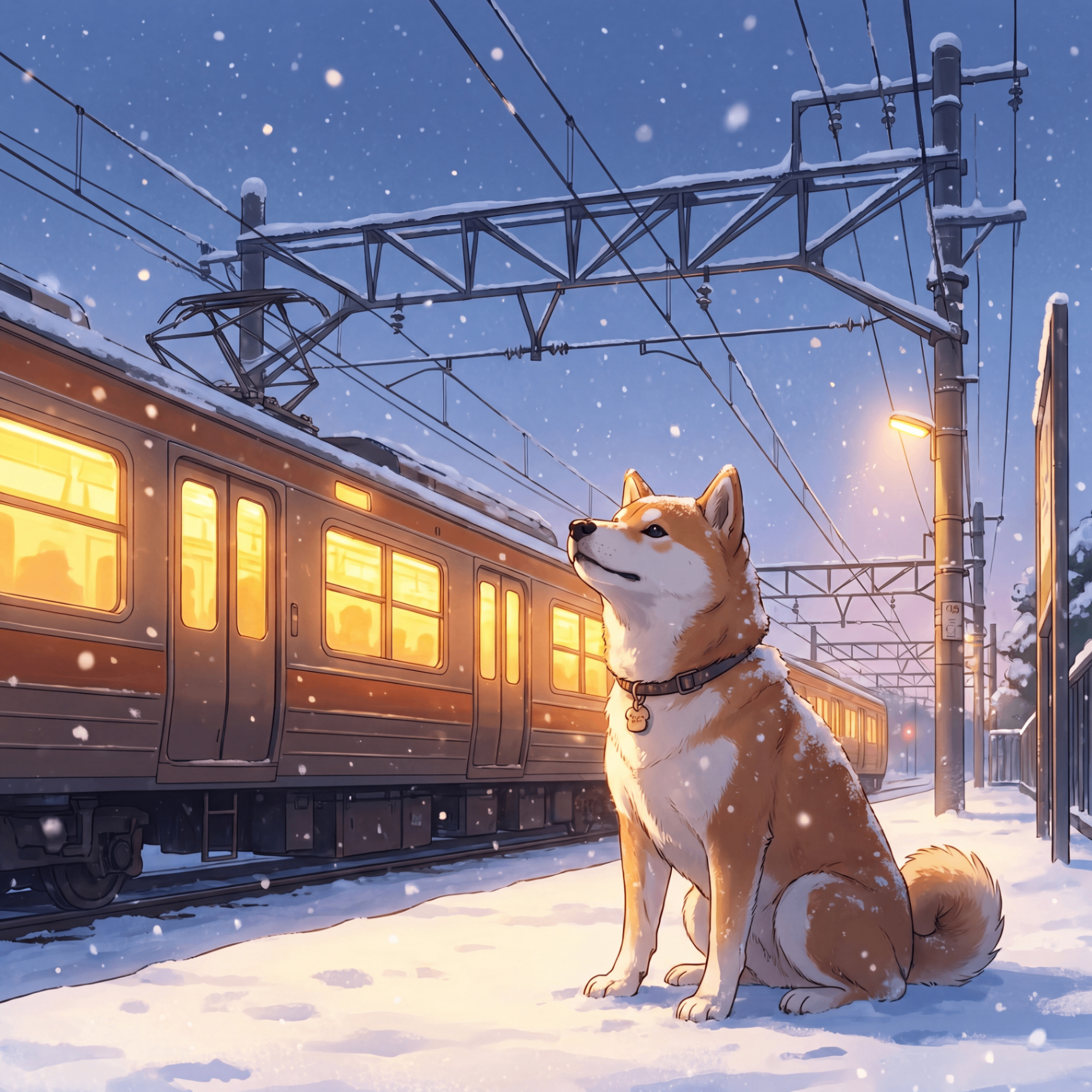
plate i — 1923 I.1923 · Ōdate— 誕生A pup from the snow country
On a quiet farm in the Akita prefecture, a golden-brown pup is born into a litter of working dogs. Within a year he is sent south, by rail, to a Tokyo professor named Ueno who has long wished for an Akita of his own.
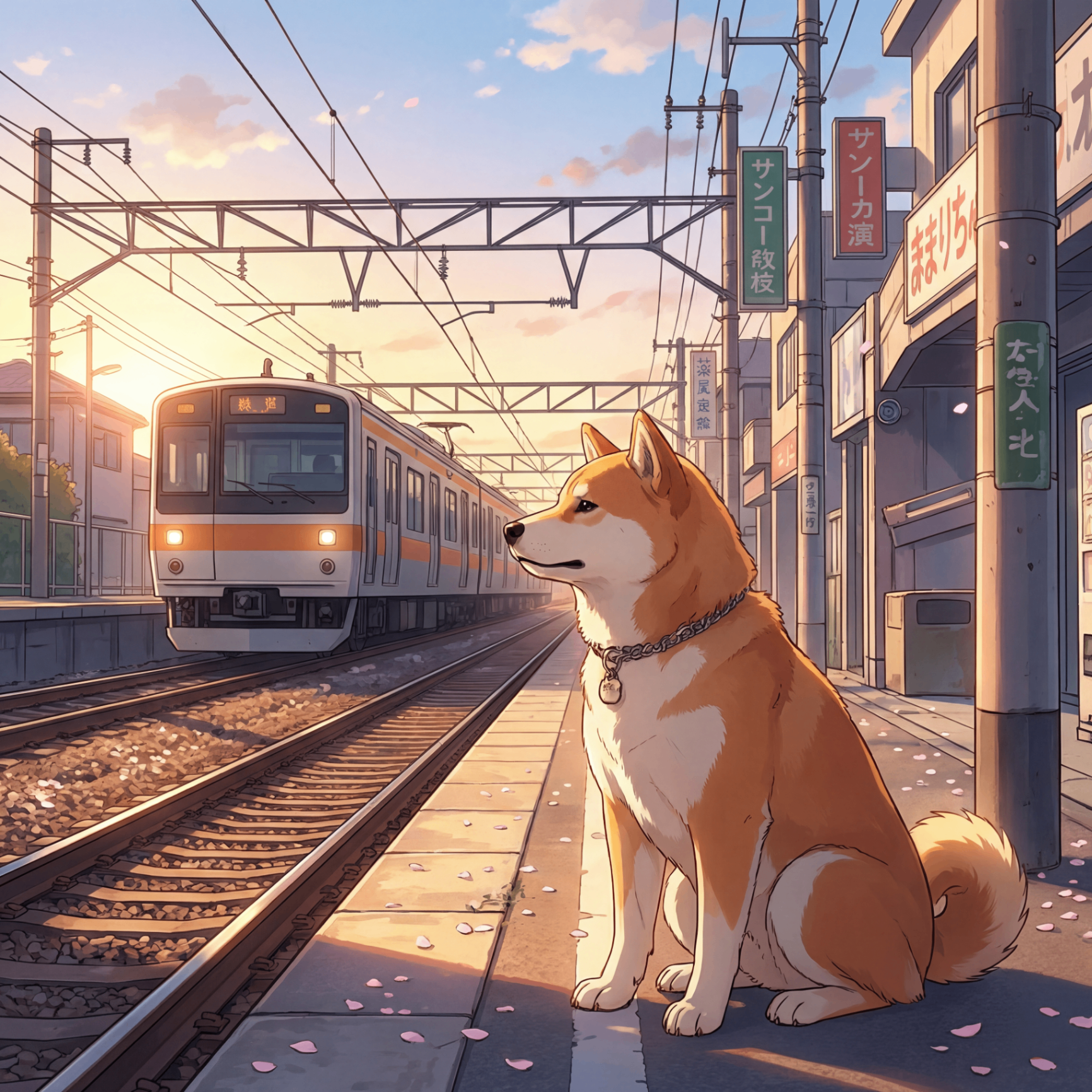
plate ii — 1924 II.1924 · Shibuya— 出会いA bond made of timetables
Each morning, Hachikō trots beside Professor Ueno to Shibuya Station. Each evening, at precisely three, he returns to greet the inbound train. Shopkeepers begin to set their clocks by him.
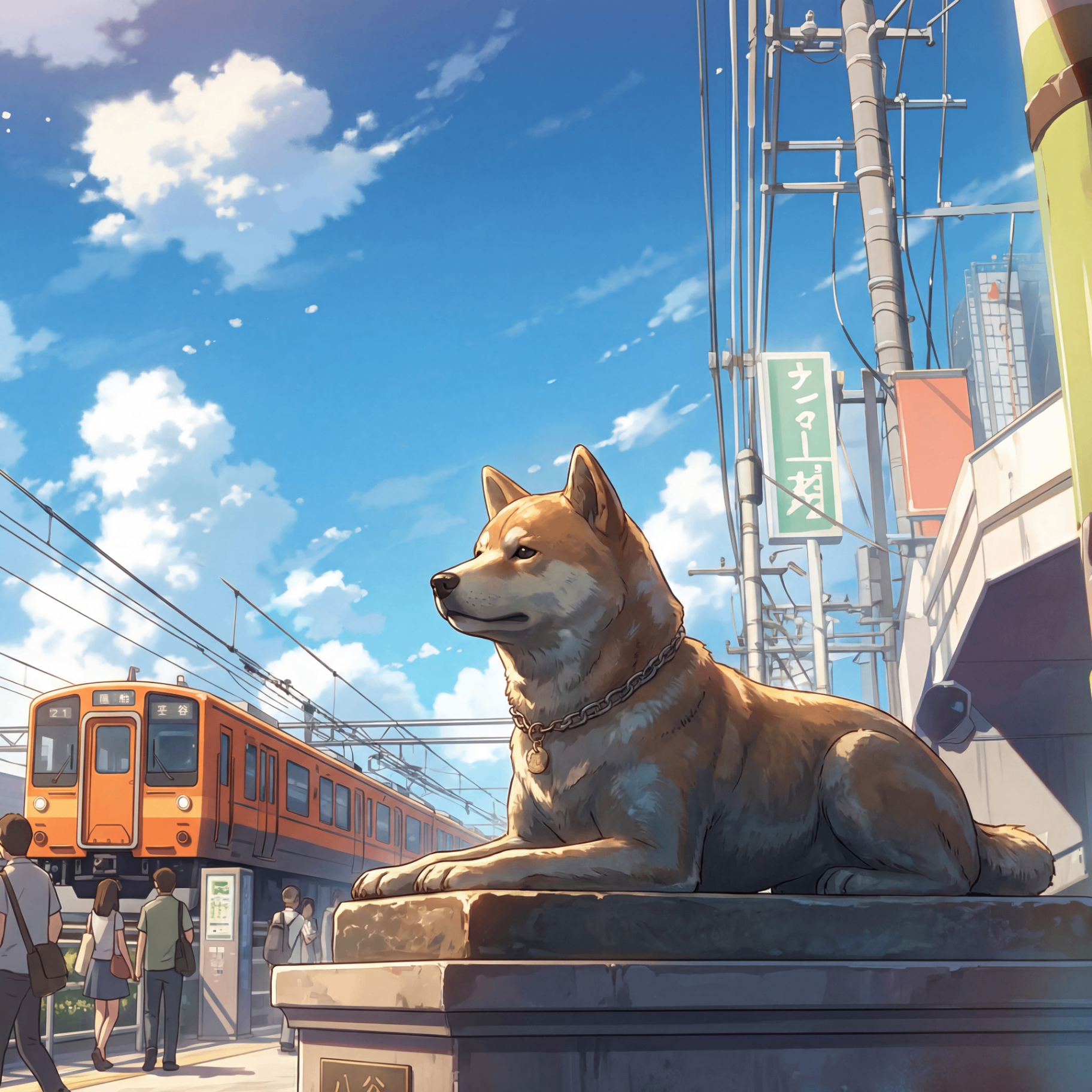
plate iii — 21 May 1925 III.21 May 1925— 別離The train that never came
Mid-lecture, Professor Ueno suffers a cerebral hemorrhage and dies at the university. He never boards the evening service home. Hachikō waits at the platform. He waits the next day. And the next.
plate iv — 1925 — 1935 IV.1925 — 1935— 九年Nine winters of vigil
Through monsoon rains and Tōhoku snows, through war drums and silent summers, he returns to the same spot at the same hour. Nine years, nine months, fifteen days. He never misses an evening.
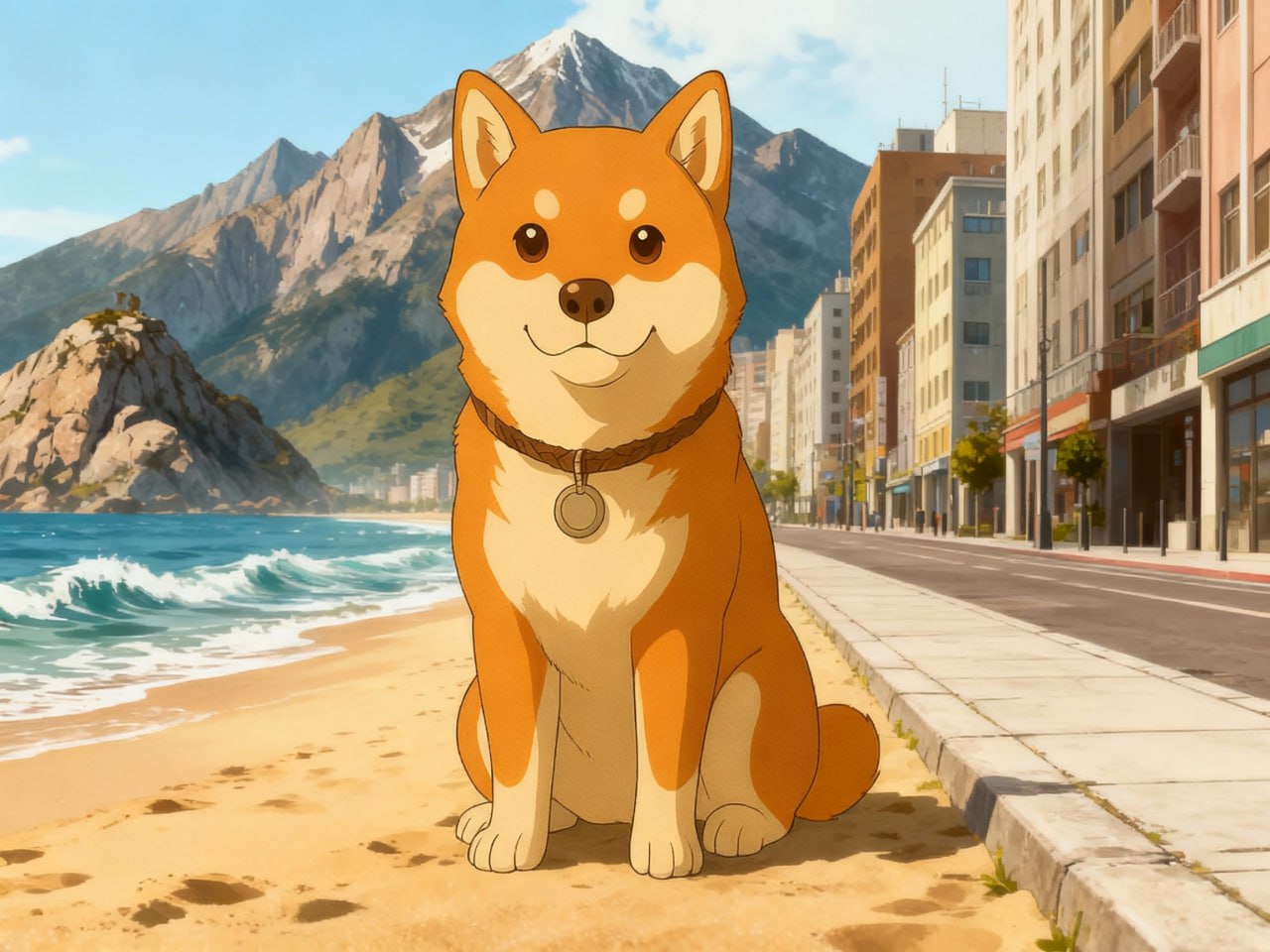
plate v — 1932 V.1932— 伝説A nation falls in love
A former student writes about the dog at the station for an Asahi Shimbun column. The story spreads like cherry pollen. School textbooks are rewritten. Children are taught his name as a synonym for devotion.
plate vi — 8 March 1935 VI.8 March 1935— 再会Reunited
He is found resting near the place he had kept his post. Newspapers print obituaries. A bronze statue is cast in his likeness — and to this day, the most romantic meeting spot in Tokyo is the Hachikō Exit at Shibuya.